What We Do
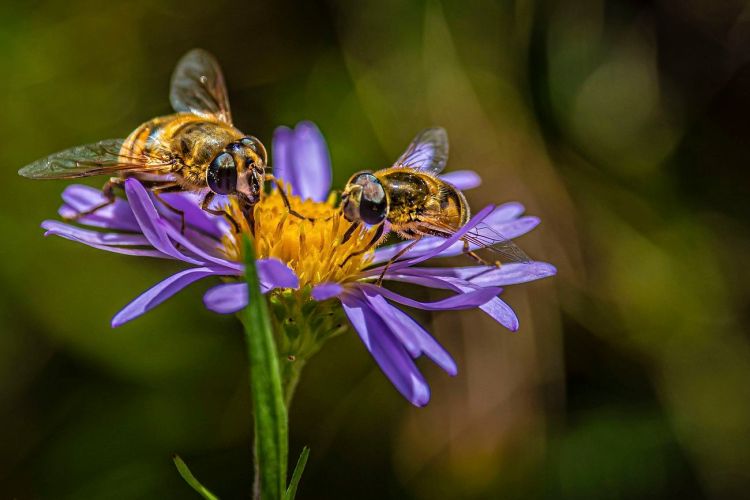
There’s a fragile balance between native insects and native plants and PPEL helps to restore and maintain this balance which has been under threat from habitat loss and invasive species. To accomplish this, we are focused on two approaches. The first is using native plants that have coevolved with our native pollinators to help maintain their existence and even increase pollinator populations. The second is to raise awareness of the importance of our native pollinators through educational outreach such as our Pledge Program and workshops we offer to the public.
Why It’s Important
Pollination helps plants to reproduce. Pollinators such as bees and wind help to transfer pollen from the anther (male part) of a flowering plant to the stigma (female part) of the same plant species. Successful pollination allows plants to produce seeds that grow the next generation of plants. Without pollination, the plant population would die off, our food and oxygen source would be eliminated and human life would cease.
Plants’ unique shapes, sizes and colors have evolved to attract different species of pollinators. These plants also satisfy a pollinator’s nutritional needs by providing the best source of pollen and nectar.
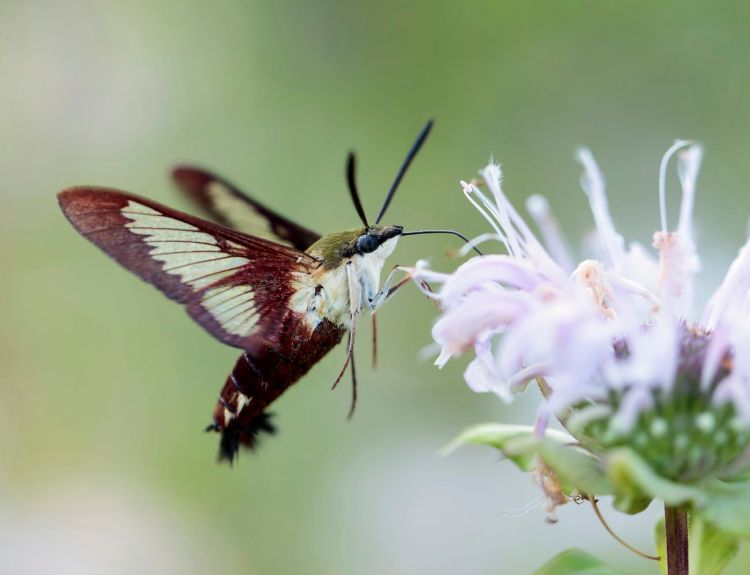
Native pollinators include many species of bees, butterflies, flower flies, beetles, hummingbirds, and moths. Moths (undervalued insects), are pollinators of the night-shift. Adults and their caterpillars are a hugely important food source for birds and other wildlife.
And we cannot forget to mention other beneficial insects that serve an important role in controlling many garden pests
How We Started
In 2018, Marjorie Meekhoff, an East Lyme master gardener, convinced the Public Works Department to stop mowing the vegetation in the roundabout island on Industrial Parkway because Asclepias syriaca, common milkweed and a type of goldenrod were growing there. For 2 years, the native plants continued to thrive although not without controversy.
During the summer of 2020, a public conversation began on the East Lyme Community Forum Page about the messy look of the roundabout. To a large extent, opposition reflected a lack of understanding of the importance of native plants, native insects and their contribution to our local ecosystem as well as unfamiliarity with the less formal “meadow” look.
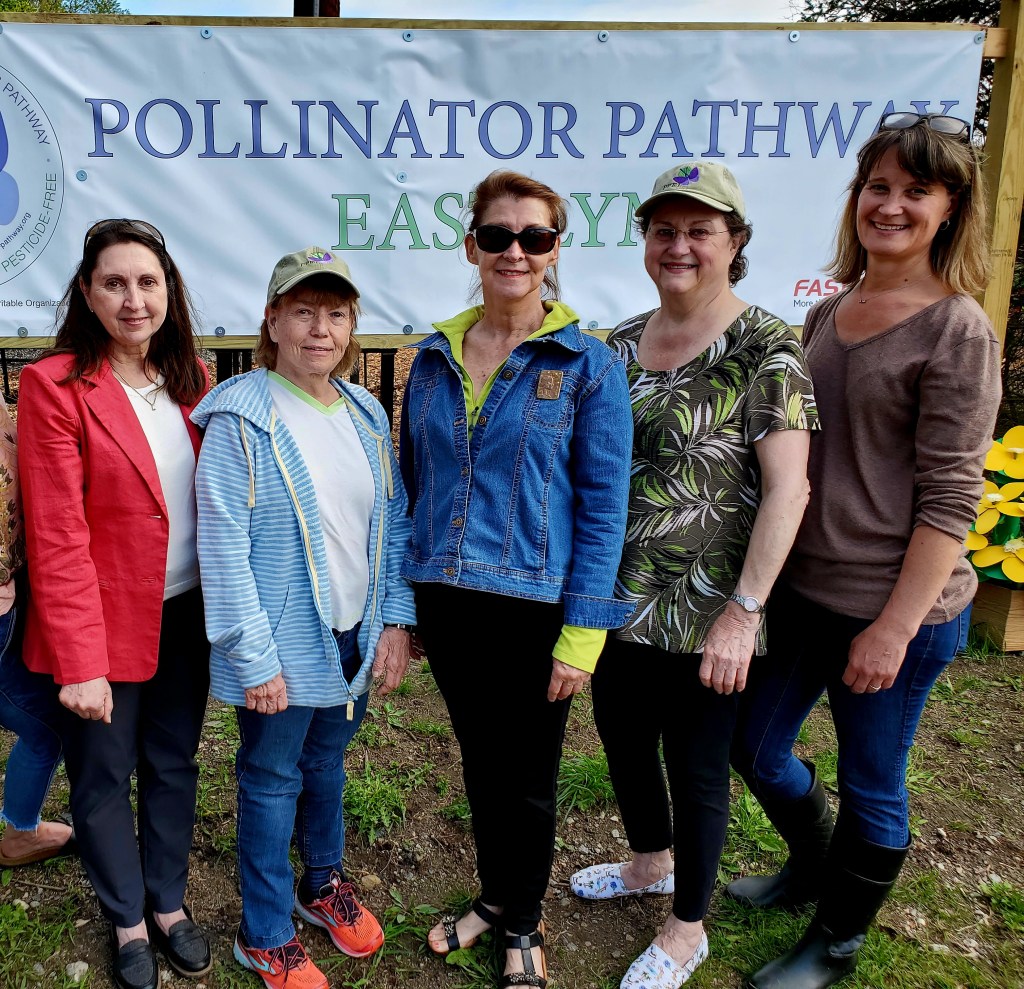
On August 26th 2020, a group of mostly strangers gathered in Marjorie’s backyard and discussed the need for educational outreach and restoration projects. They talked about how to engage the town’s departments for change in policy and practice; how to get community support and, by meeting’s end, they had a volunteer Board of Directors and an action plans. In late 2020, Pollinator-Pathway, East Lyme became, with the help of Daniel Meekhoff, the first such organization in Connecticut to become a 501c3. This enables PPEL to write grants and operate somewhat independently.
 Pollinator Pathway East Lyme