Rethink Your Lawn
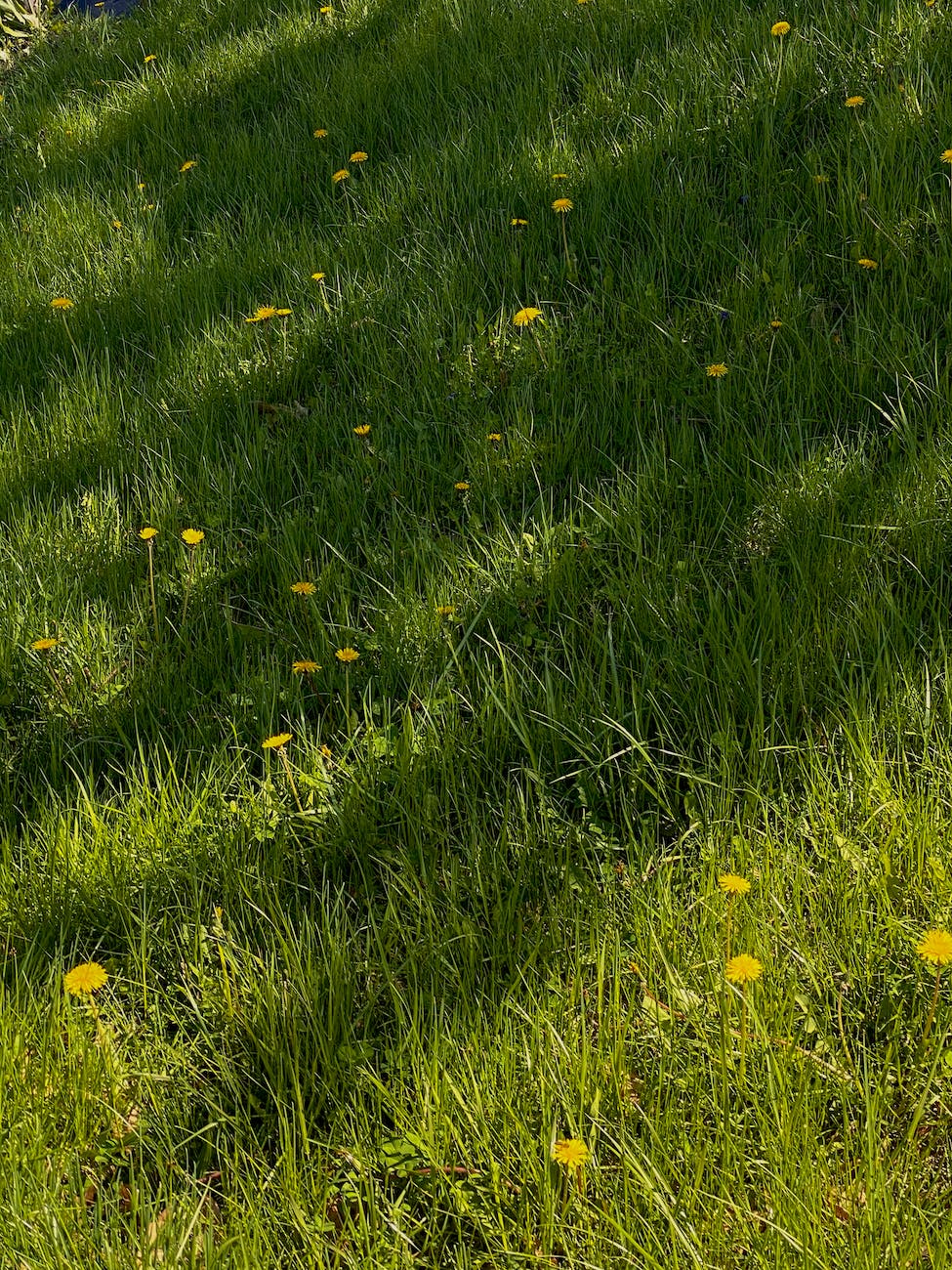
Lawns are harmful to pollination. They provide little to no habitat. Their root systems are too shallow to effectively filter stormwater runoff. They add fertilizers and toxins from excessive pesticide and fertilizer use to wetlands, streams, rivers & the Sound. They use tons of water, an increasingly scarce resource in many parts of the world. Converting some or all of your lawn to woods or meadow creates a natural habitat for pollinators by adding diversity and interest to your backyard. In addition, it reduces the time you spend mowing and avoids the problems listed above. A diverse array of native trees, shrubs, perennial flowers, and warm season grasses are much better than turf grass for keeping soil and nutrients in place.
But even if you don’t want to eliminate your lawn entirely, you can take steps to reduce its harmful impact:
- Mow less frequently—only every 2-3 weeks
- Reduce the size of your lawn by adding shrubs, trees or a pollinator garden or clover!
- Join the ‘No Mow May’ movement (check your town blight ordinance about meadow restrictions)
- Let part of your yard go natural. Wild flowers will likely appear. Create a mini-meadow
- Avoid pesticides
- Test your soil to see what, if any, fertilizer you need, and go organic
- Leave the leaves and leave some dead wood or brush pile for overwintering insects
- Replace gas-fueled equipment with electric
- Allow for some dirt patches
- Provide a fresh water source
Plant Native Species
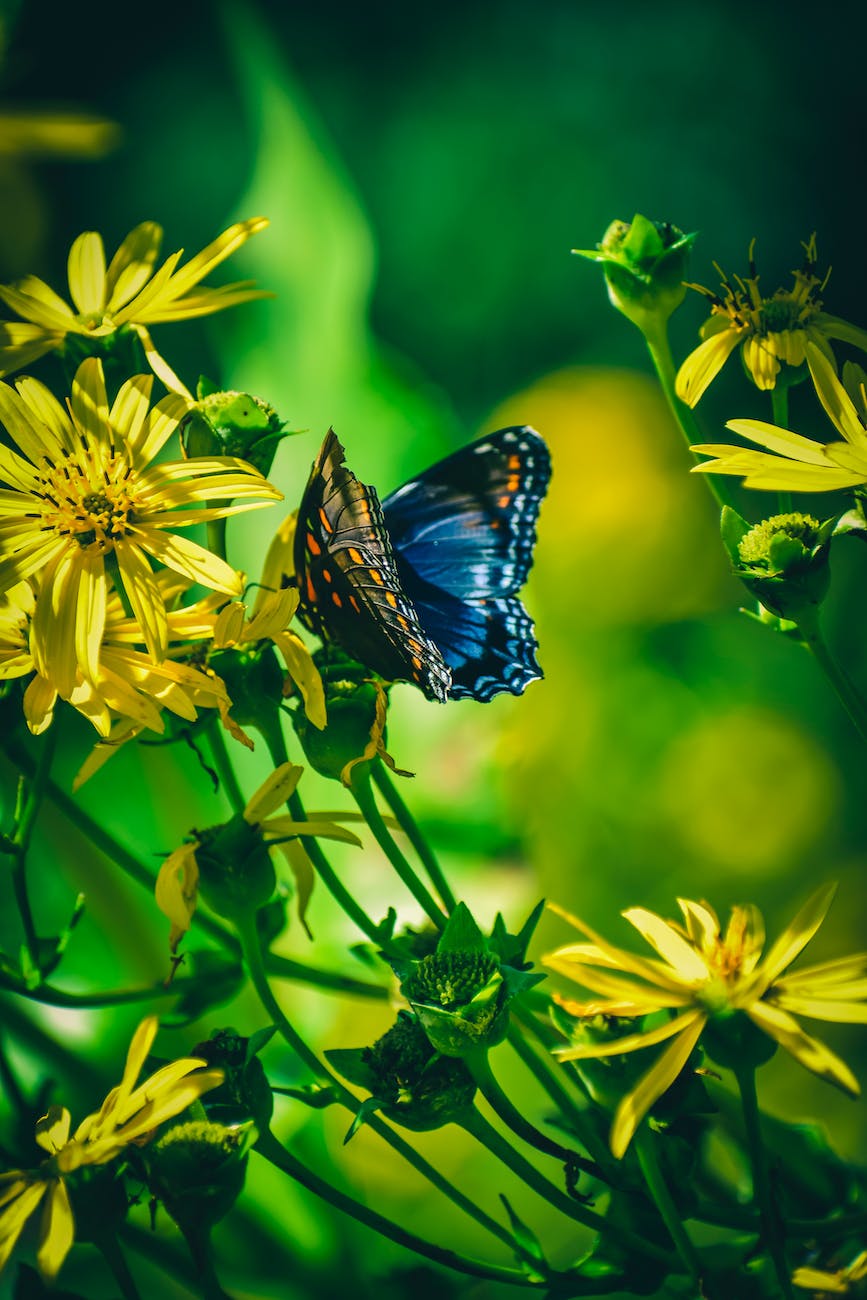
Native Plants include herbaceous plants, grasses, shrubs, and trees. These plants co-evolved with pollinator insects, birds, and other wildlife species over thousands of years in a particular region or ecosystem. Native plants provide nutrient-rich pollen and nectar to many native bee species and other pollinators. Native plants also support plant-eating insects and caterpillars, which become good sources of protein for a large percentage of birds, bats and other wildlife species. They:
- flourish without synthetic pesticides
- require less care since they are adapted to our local climate and soils
- rarely need watering once established
- provide food and cover for wildlife
- contribute to biodiversity
- connect us to our unique natural surroundings
In addition, native trees…
- keep our air and waterways clean and prevent soil erosion
- sequester carbon
Remove Invasive Plants
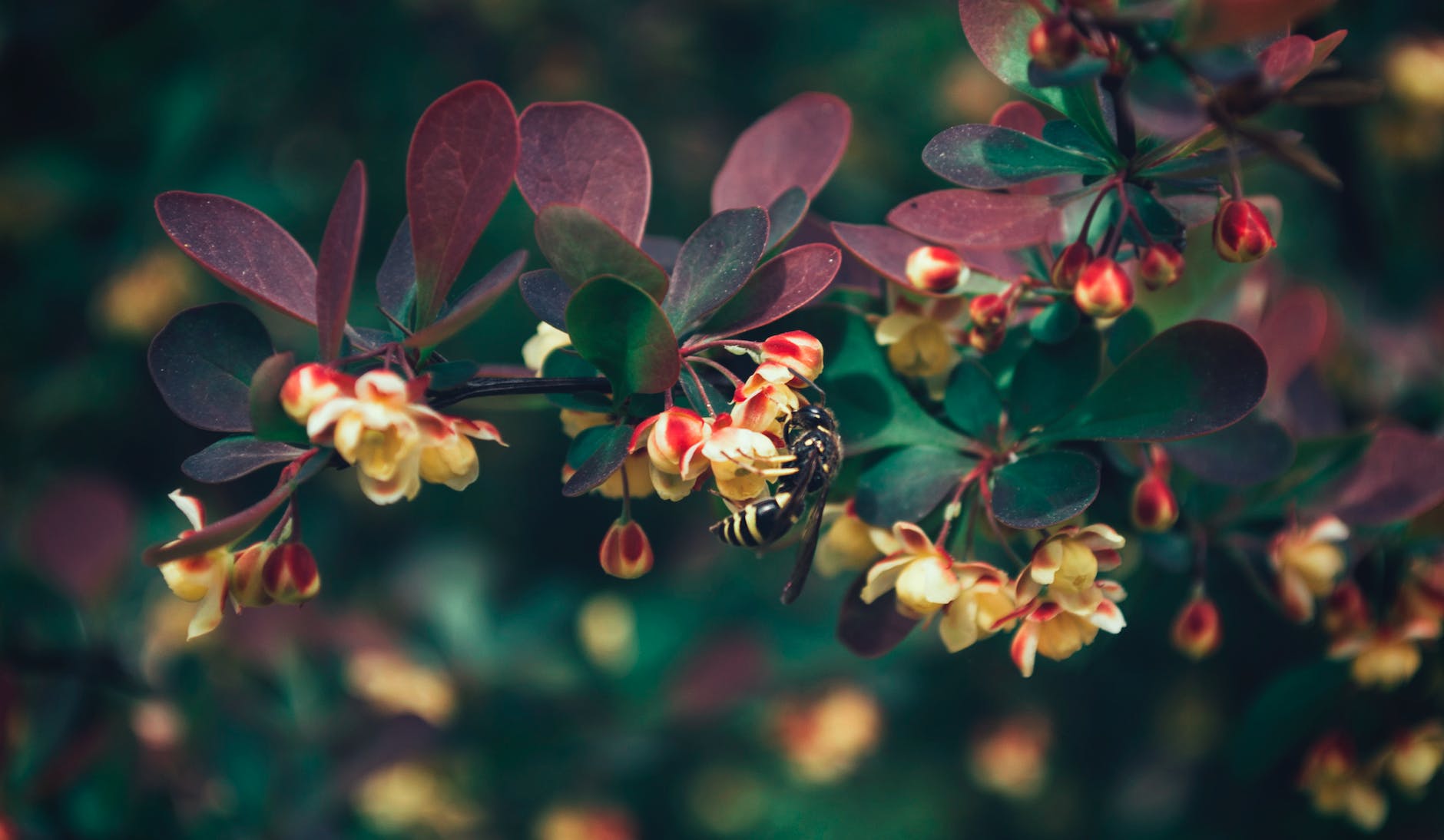
Invasive plants are non-native plants that are disruptive in a way that causes environmental or economic harm, or harm to human health. In Connecticut, the Connecticut Invasive Plants Working Group (CIPWG) has developed a list of non-native plants that cause (or have the potential to cause) environmental harm in minimally-managed areas. In minimally-managed areas, invasive plants crowd out native plants. The presence of invasive plants alters the way plants, animals, soil, and water interact within native ecosystems, often causing harm to other species in addition to the plants that have been crowded out. Invasive plants deny food and shelter to native insects, pollinators, birds and wildlife which have a symbiotic relationship with native plants developed over centuries. Invasive plants are considered second only to habitat loss as a major factor in the decline of native species. Control methods vary from mechanical (physical removal, introduction of fire or flooding), chemical (using pesticides, herbicides or fungicides) or biological (introduction of a natural enemy or pest which in turn requires continued monitoring of the introduced control). No method is fool-proof and the use of pesticides carries its own risks.
Avoid Pesticides
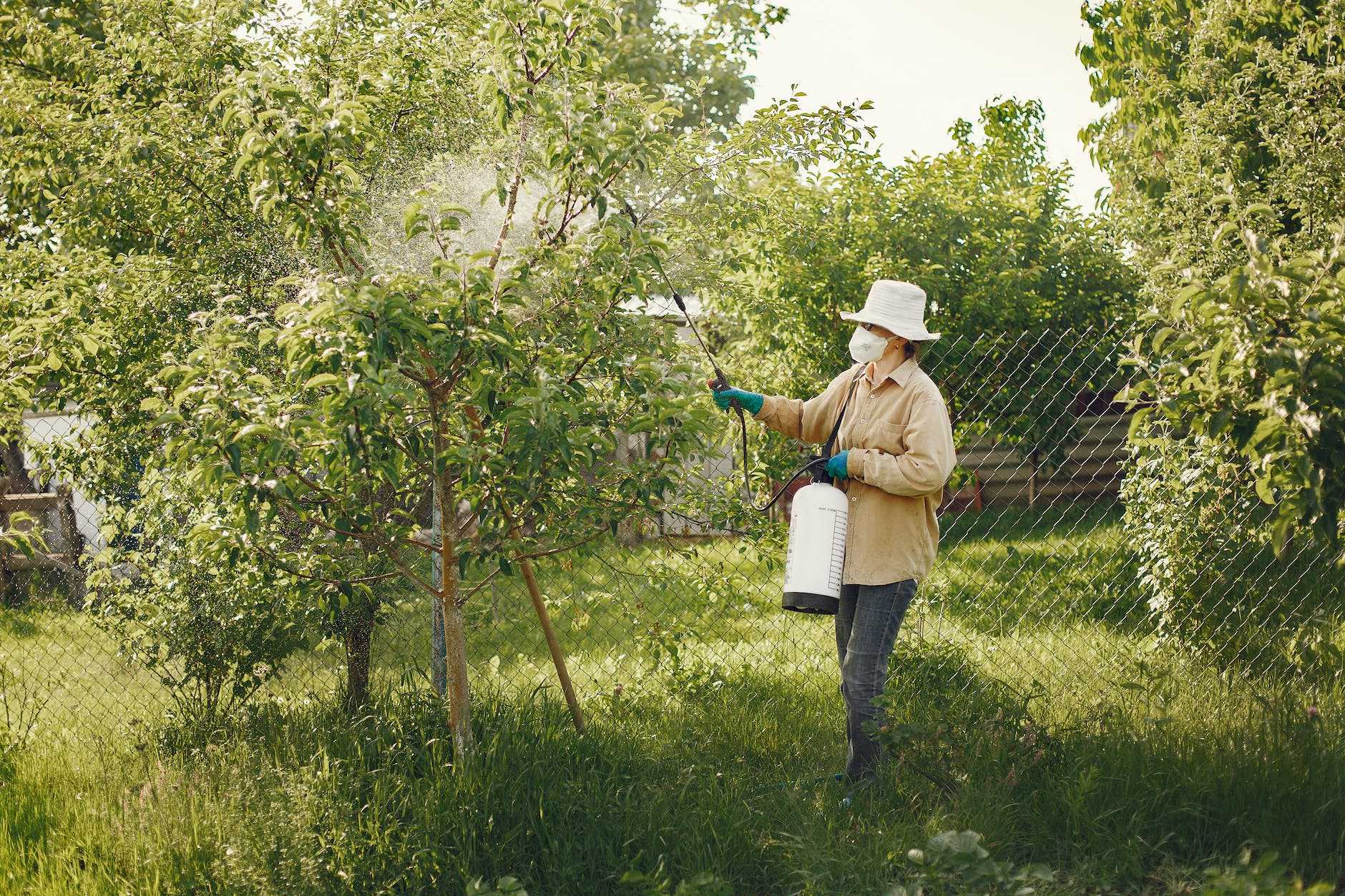
For our purposes, a pesticide is defined as any substance or mixture of substances intended to prevent, destroy or control unwanted species of insects, plants, rodents, fungal life, etc. Therefore, for our purposes the term pesticides includes not only insecticides but also herbicides, fungicides, rodenticides, etc.
The Pollinator Pathway Steering Committee has established the following policy for pesticide use along the Pathway:
LAWNS AND GARDENS: No pesticides or chemical fertilizers should be used, as they can be very harmful to pollinators and may have toxic effects on other wildlife, children, pets, water resources, etc.
INVASIVE PLANTS: Manual removal should be the first attempt at control
For the most noxious and/or extensive, large-scale invasive infestations, consult a state licensed applicator regarding targeted application of herbicides. Once invasives have been controlled, the area should be replanted with native plants to prevent recurrence of invasives.
Change Maintenance Practices
Springtime
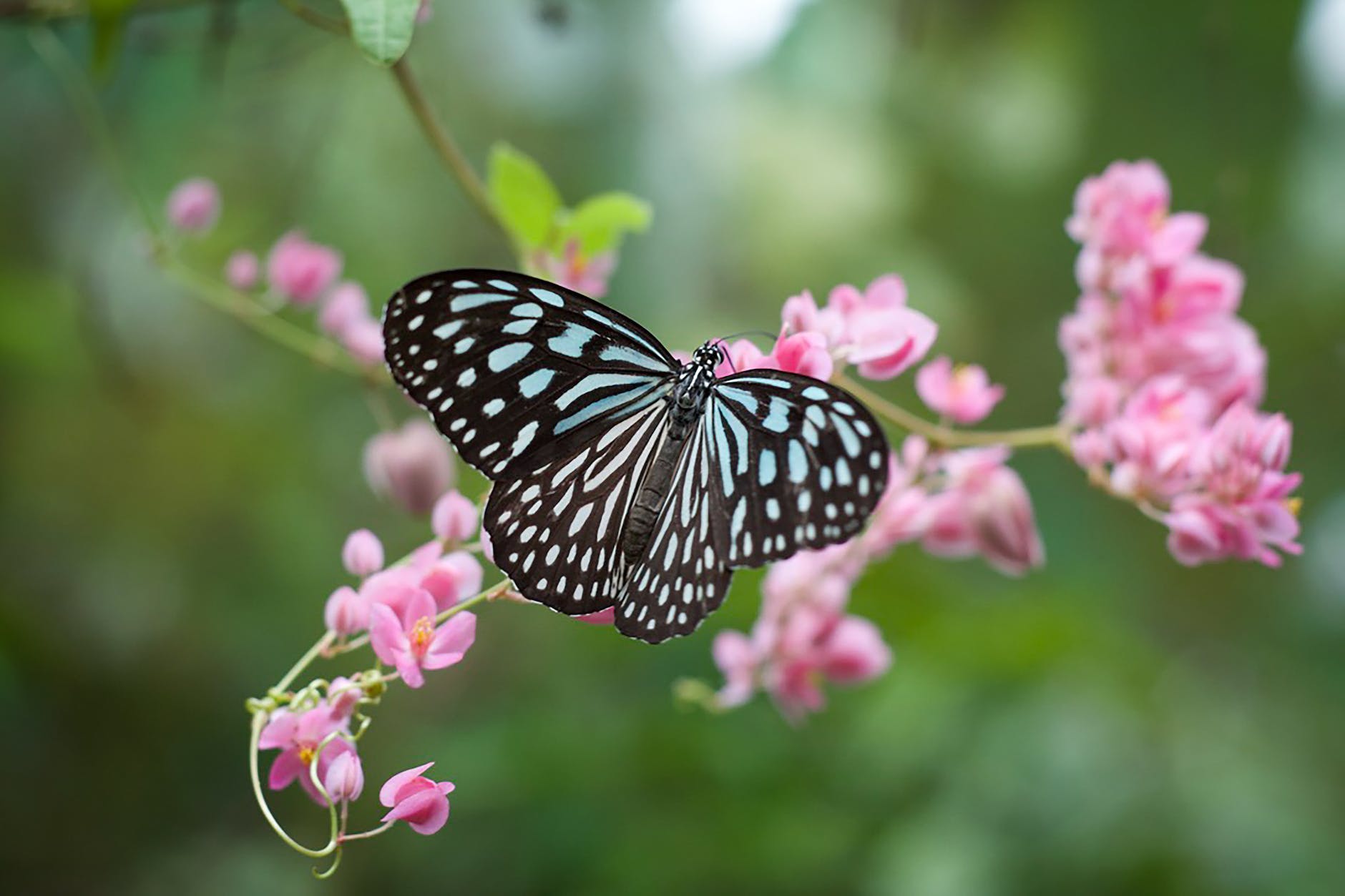
Begin garden clean up in late winter / early spring, after about a 10-day stretch of warm weather, until temperatures are consistently about 50 degrees F. This will ensure overwintering insects have the chance to hatch out. Not only will you attract birds looking for those insects as well as leftover seed heads, you will start the season with a healthy garden ecosystem. Wait as long as possible to rake leaves out of perennial beds and from under trees and shrubs. Many butterflies such as morning cloaks, and beneficial insects like ladybugs, nestle into leaf litter for the winter as adults, eggs or pupae. Luna moths spend the winter in cocoons that look just like a crinkled brown leaf. As you rake up your leaves keep a sharp eye out for these insects and do your best not to disturb them. Better yet, don’t rake these areas at all – this fallen material will break down and provide natural fertilizer for your yard.
Don’t mulch till last – there are many beneficial insects and pollinators who burrow into the soil to overwinter as eggs, pupae, or adults. Covering the ground with a layer of mulch too early in the spring may block their emergence. Hold off on mulching until early summer when seedlings have emerged; and then use natural mulch such as untreated grass clippings, leaves and pine needles.
During the Season
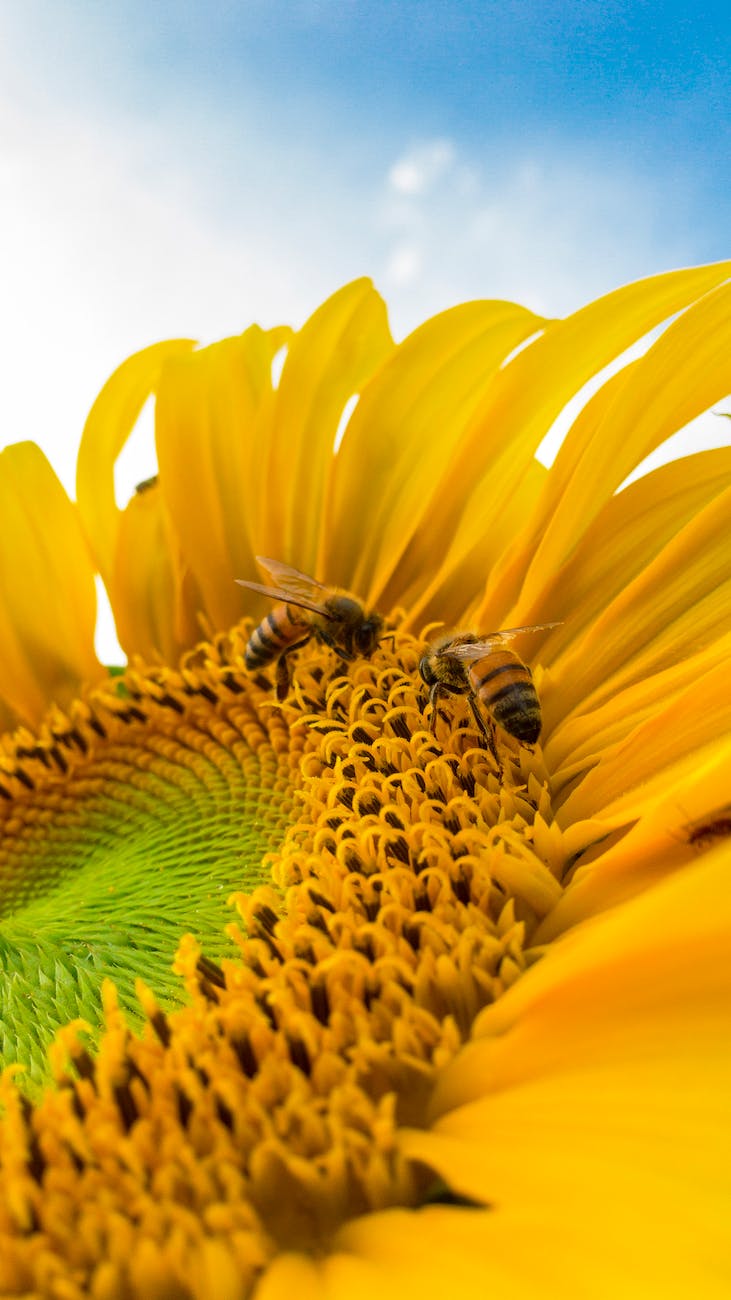
Provide Water Sources – Pollinators need sources of water for drinking and reproduction. You may already have a natural water source, such as a pond or stream. If not, you can create a water source. This can be as easy as adding a bird bath or placing a small container of water out in the open. Be sure to change the water 2-3 times per week during warm weather when mosquitoes are breeding.
Avoid Synthetic Fertilizers – Native plants thrive in poor soils; they may die or do poorly if planted in topsoil. Chemical fertilizers cause environmental damage during their production process and when they are used in our yards. Instead use grass clippings and leaves which can be mulched on the lawn for nutrients, and you may use compost as well. Compost doesn’t just nurture your plants, it also helps retain moisture, creates better soil structure; it feeds the microorganisms in the soil, and helps store carbon.
Limit Outdoor Lighting – The increased and widespread use of artificial light at night has negative and deadly effects on many creatures including amphibians, birds, mammals, insects and plants. To minimize this effect, only use lighting when and where it’s necessary. Choose warm yellow lights rather than cool, bluish lights. If safety is concern, install motion detector lights and timers. Properly shield all outdoor lights, and let the light face downward. Keep your blinds drawn to keep light inside.
Go Electric – There are serious health and environmental consequences related to gas-fueled landscaping equipment. The two-stroke engines used in the landscaping industry are the main reason the industry accounts for more than 10% of the air pollution in the USA. When it’s time, consider buying electric equipment for your yard. Since leaf blowers are among the worst offenders of air pollution, we recommend you reconsider leaf blower use altogether. Leaf blowers have no use in a healthy yard. The hurricane force wind they create is deadly to native, ground-nesting bees and any pollinator eggs or pupae on the ground.
Autumn
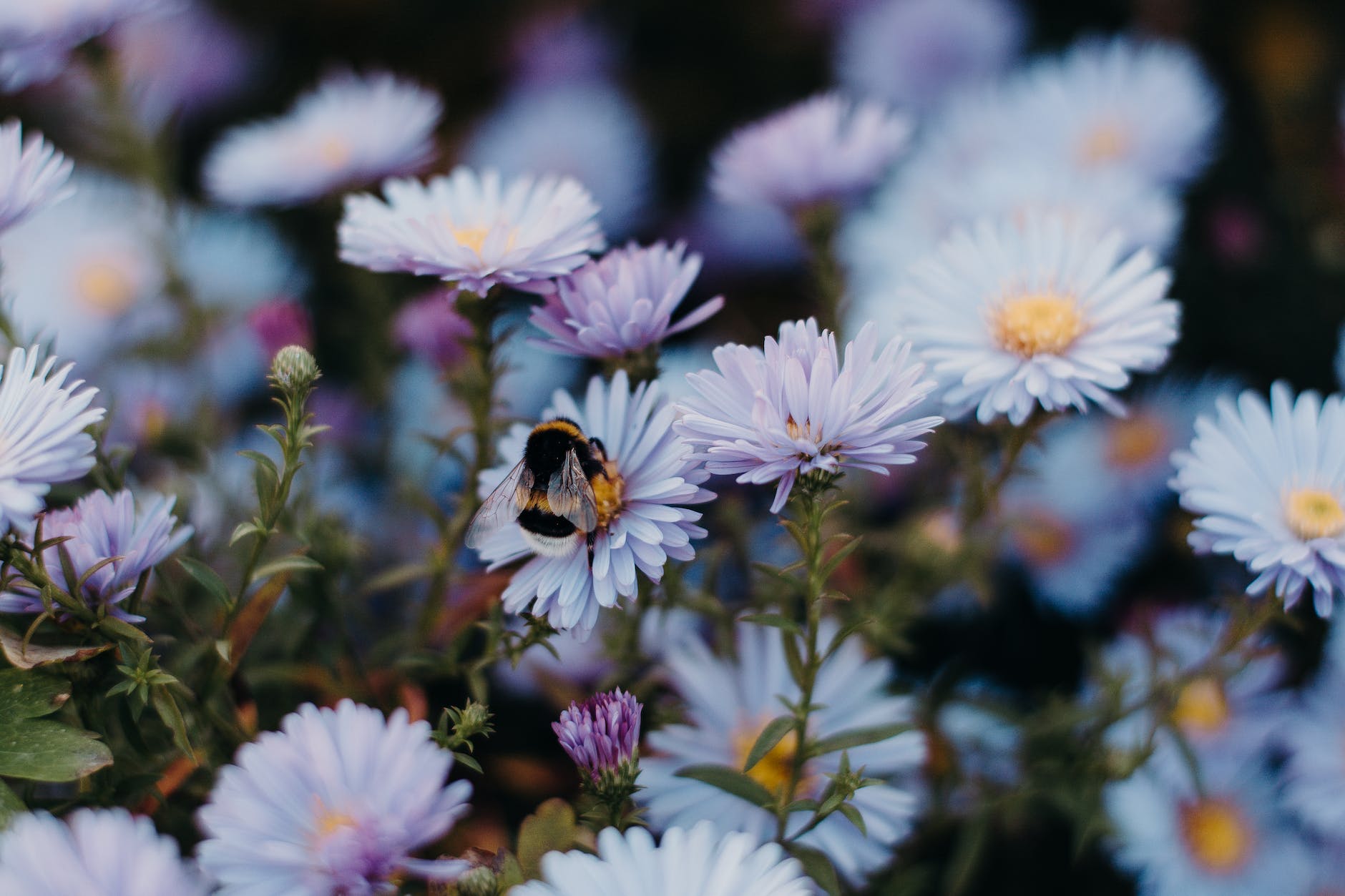
Don’t tidy up in the fall, but instead leave your garden and layered plantings under trees and shrubs standing through winter. Leaves protect tree, shrub, and perennial roots; they break down and naturally and sustainably nourish your soil; they prevent erosion. Pollinators you’ve attracted will survive the winter, since many winter as an egg, partially grown caterpillar, chrysalis or pupa on standing vegetation or in the duff below it. Your spring-through-fall pollinator garden will transition into a winter bird garden. Birds will benefit from all the cover (plants left standing) and food (seed heads and overwintering insects).
Take the Pledge
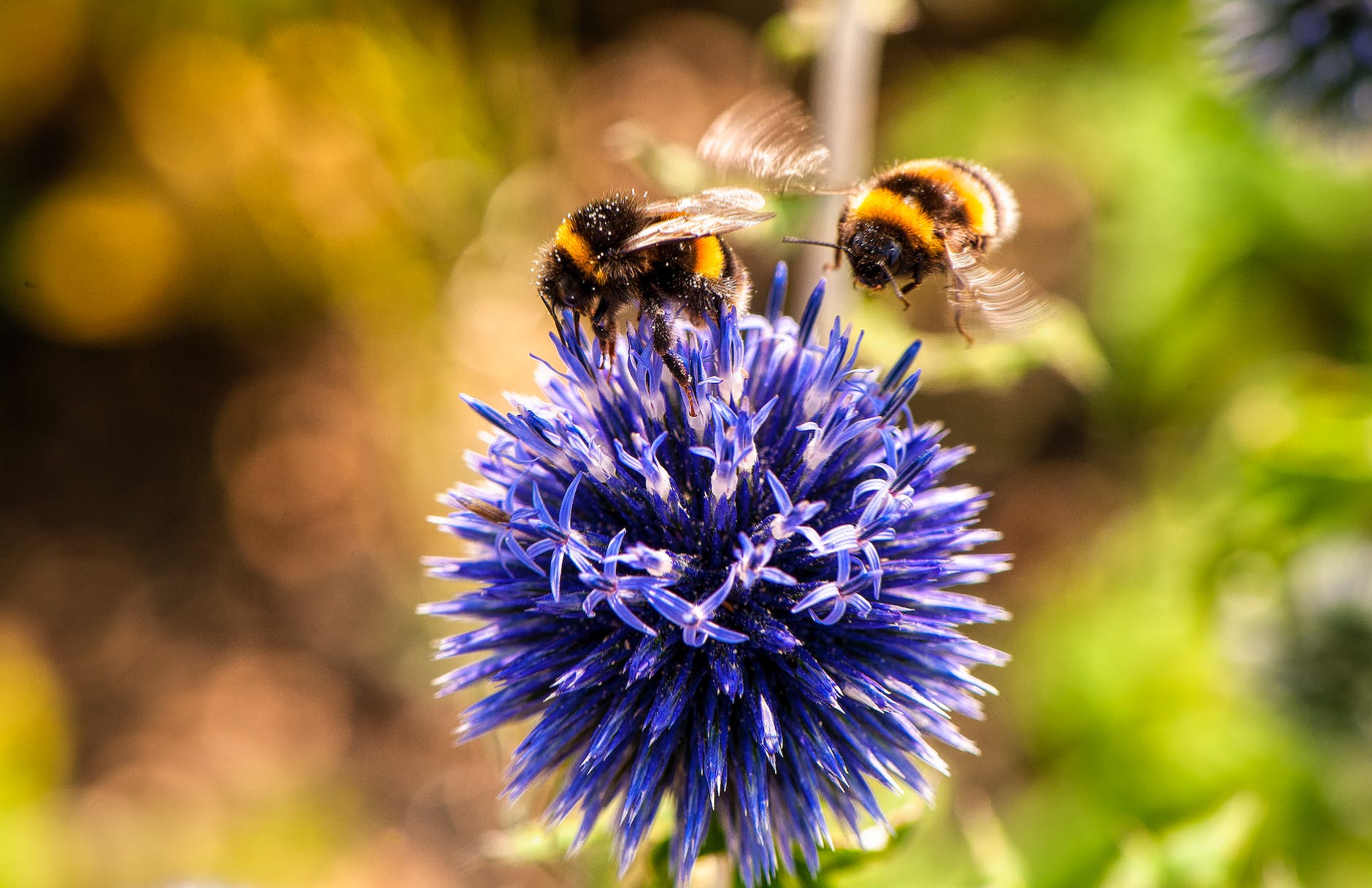
Please consider taking the pledge to do your part at home to create a pollinator friendly space in your own yard!
Display the Yard Sign
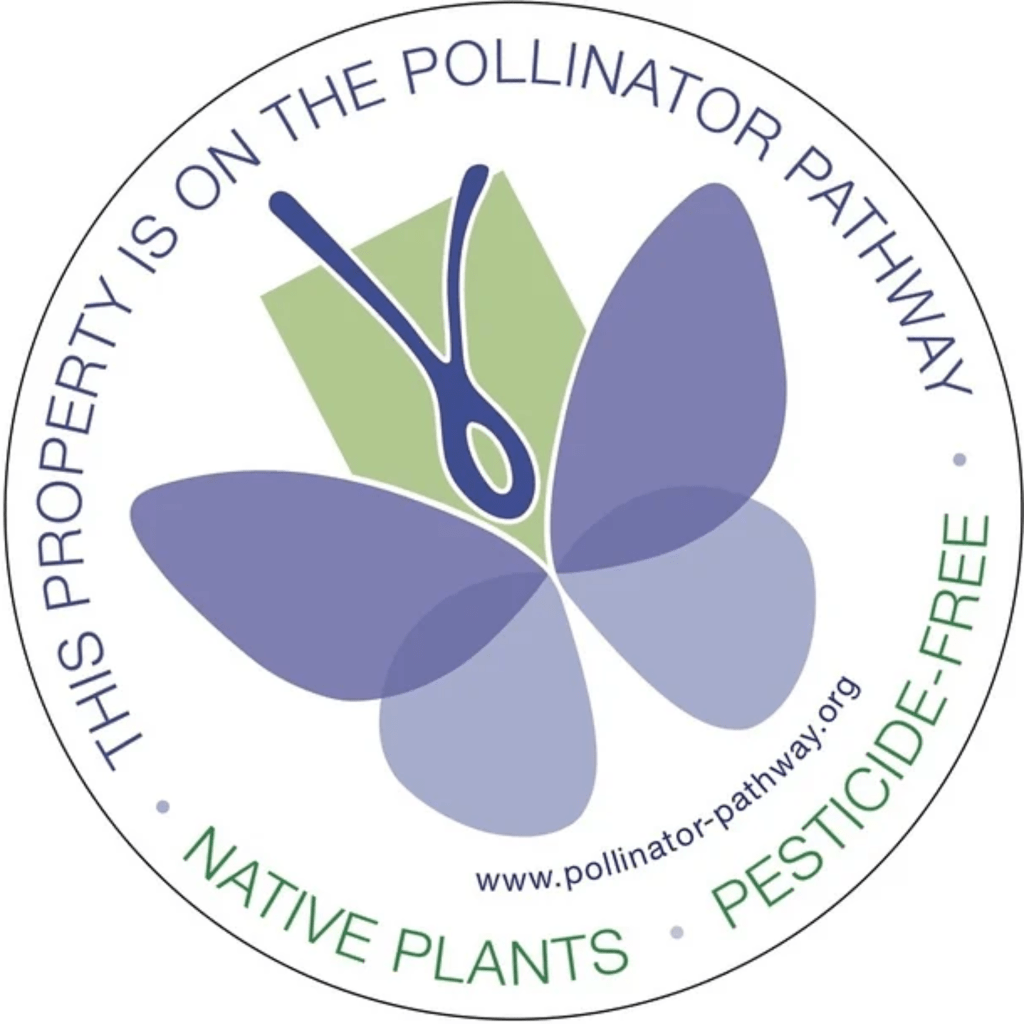
Display our 6″ or 12″ metal sign showing your yard is free of pesticides, includes native plants and trees, and is on the Pollinator Pathway!
 Pollinator Pathway East Lyme